Housing in Luxembourg: How to find your ideal home
Where to live in Luxembourg
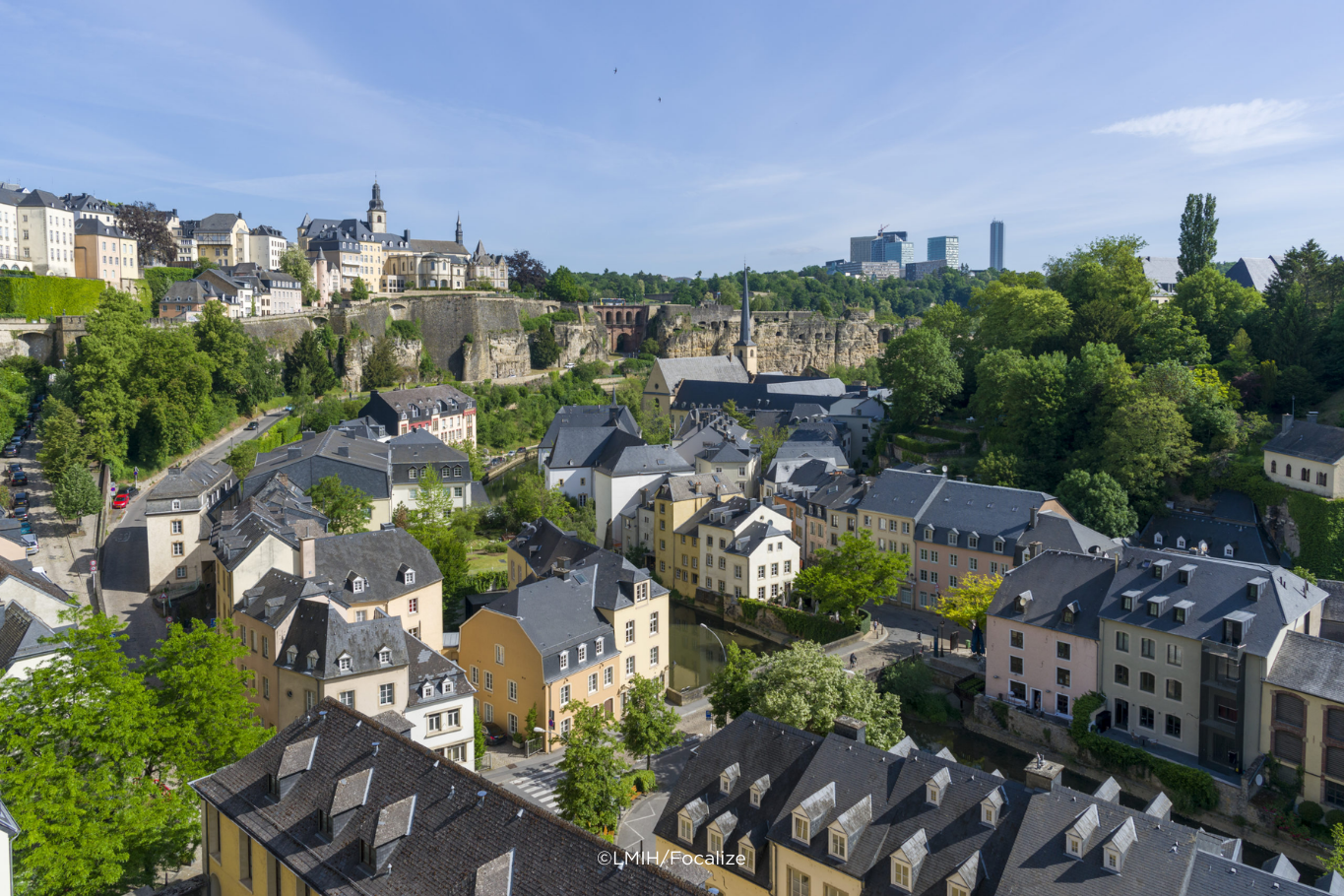
Whether you are looking to live close to shopping, culture and nightlife hotspots or prefer more peaceful surroundings with nature just around the corner, Luxembourg provides interesting alternatives. Around 20% of the population live in the capital city, while the rest have opted for smaller towns and villages across the country.
As with other population centres across Europe, housing supply and affordability is a challenge in Luxembourg City and surrounding areas. Free nationwide public transport and short distances make commuting from other parts of Luxembourg a practical way to reduce housing costs without sacrificing access.
High-skilled professionals often find that Luxembourg’s higher housing costs are offset by competitive salaries – frequently above those in Europe’s major capitals. In other occupations, financial support may be available to help lighten the load, as are new forms of living like co-living and short-stay accommodations. For families, there is also a monthly family allowance per child offered by the government, which helps cover living costs.
-
Buying property:
Foreign nationals can freely buy property in Luxembourg without restrictions. Residency is not required to purchase property, but owning a home does not automatically grant residency rights. Real estate portals and agencies are usually the best sources for finding property offers. -
Renting:
Estate agencies, relocation agencies and real estate portals are often the best sources for renting in Luxembourg. Various real estate portals offer a wide choice of properties for rent in Luxembourg and surrounding regions. Editus.lu offers an overview of real estate agencies. -
Living across the border:
Living in neighbouring regions in France, Belgium and Germany and working in Luxembourg is an interesting model for many. Around half of Luxembourg’s workforce is in fact made up of cross-border workers. -
Flat- and house-sharing:
Sharing can be a way of living together with others while keeping your accommodation costs down. Specialised websites advertise flat-sharing opportunities. There are also several Facebook groups dedicated to co-living in Luxembourg. -
Temporary accommodation:
While hunting for permanent housing, many newcomers opt for temporary accommodation. Short-term and furnished rentals are helpful starting points. -
Housing provided by the employer:
Employers in Luxembourg have the option, under certain conditions, to build or purchase housing with state support to be rented primarily to its employees. Several organisations - mainly long-established businesses in Luxembourg - have already initiated such projects.
-
Define your needs:
Consider where you want to live (including cross-border options), whether you want to live alone or share accommodation, whether you want to rent or buy, and what type and size of housing you want. -
Define your budget:
How much money do you have available each month for housing? Take into account additional costs for utilities, insurance and other expenses that will be added to your rent or mortgage. -
Check available offers:
You can do this by following real estate portals and/or consulting real estate or relocation agencies. You can also register on different forums and expat groups to find tips. -
Activate your network:
It is not unusual for information about available accommodation in Luxembourg to circulate by word of mouth, so don’t hesitate to ask colleagues and friends if they know someone looking for a flatmate or renting out a flat. -
Prepare your purchase or rental file:
As good offers often require fast decisions, it can be useful to prepare your application documents – such as your ID card or passport, work contract and salary slip – in advance.
-
Rental deposits may not exceed 2 months’ rent
-
Home insurance is mandatory for renters
-
Utilities are generally not included in the rent and require separate contracts. Costs can vary significantly depending on the size of your accommodation
-
Agency fees are shared between landlord and tenant, commonly 1 month’s rent plus VAT
-
Standard leases run for 1-3 years, with 2-3 years quite common
-
Rent levels vary dependent on the location in Luxembourg