
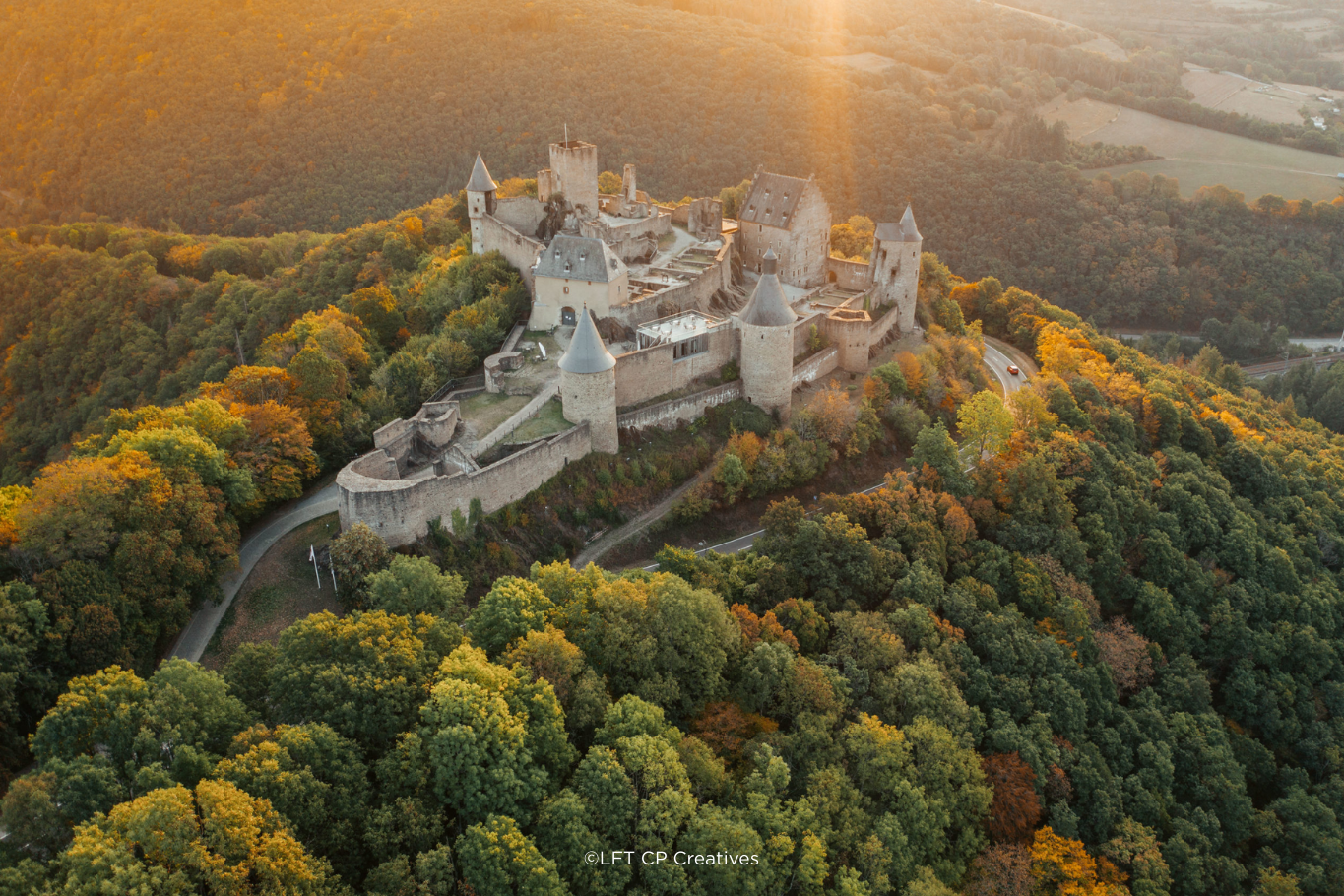
Discover our history: Economic growth, European integration and talent attraction
Luxembourg’s strategic location and international history
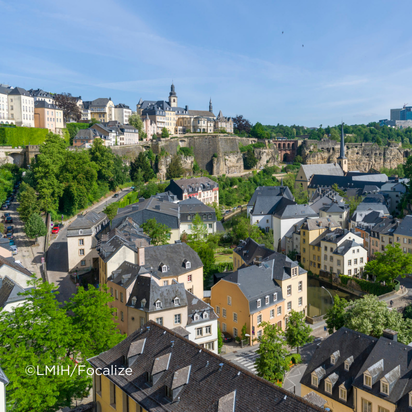
The history of modern Luxembourg dates back to 963, when a small castle perched on a rocky outcrop in what is now the capital was first mentioned in a deed. The strategic location – easily defensible and located on a major trade route connecting Trier in Germany and Reims in France – quickly turned it into a significant economic, political and religious centre.
Centuries of foreign domination followed, as the main European powers fought to control this key site, sometimes called the “Gibraltar of the North”. Luxembourg gained independence in the 19th century through a series of treaties. Its current borders were established in 1839, and it became fully sovereign under its own dynasty in 1890. Today, it is a parliamentary democracy and the world’s only Grand Duchy, with Grand Duke Guillaume as the official head of state.
European integration and Luxembourg’s EU institutions
After the Second World War, Luxembourg became a founding member of major international organisations such as the United Nations, NATO and the OECD, and a strong promoter of European cooperation. The country is a founding member of the European Union and is home to one of its three official capitals, alongside Brussels and Strasbourg. Luxembourg City is home to several important EU institutions, including the Secretariat General of the European Parliament, the Court of Justice, the European Investment Bank, various units of the European Commission, the European Court of Auditors, the European Public Procecutor's Office and the Publications Office.
The Schengen Agreement, which allows for free movement of people and goods between participating countries, was signed in the Luxembourg village Schengen, which borders both Germany and France.
A dynamic economy and innovation hub
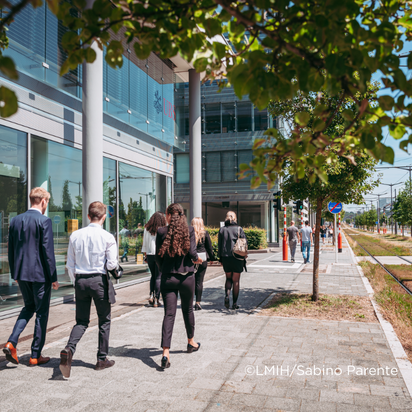
Originally rooted in agriculture and crafts, the Luxembourg economy underwent a major transformation in the late 19th century following the discovery of iron ore. This discovery turned the country into an economic powerhouse and established it as one of the world’s leading steel producers.. Today, Luxembourg remains the headquarters of the global steel group ArcelorMittal.
Following the global steel crisis in the 1970s, Luxembourg successfully established itself as an international financial centre that has continued to grow for decades. Today, the financial industry is one of the cornerstones of the national economy. Luxembourg is a leading financial hub in the EU and the second-largest fund centre globally.
However, finance is far from the only pillar of the economy. Luxembourg is strategically developing a number of knowledge-intensive sectors, ranging from advanced manufacturing and healthtech to fintech, space and more. The country is also investing actively in a digital and knowledge-driven ecosystem that fuels Luxembourg’s economy of the future.
Attracting international talent to Luxembourg
The rapid growth of the national economy also led to a fast expansion of job opportunities in Luxembourg and a strategic choice to welcome talents from abroad. The first waves of immigrants came to work in the steel industry. They were followed by those who joined the financial industry, the rapidly growing service sector, the European institutions and the knowledge-driven economy.
As a result, Luxembourg is now the most international country in the EU. In the early 1960s, only 13% of the resident population did not have the Luxembourgish nationality – today, it is almost half of the population. In addition, around half of the national workforce is made up of cross-border workers living in the neighbouring countries.
International talents are attracted not only by Luxembourg’s dynamic job market, but also by its multilingual, open society, ease of integration for foreign nationals and exceptional quality of life.

.png)